Designing the experience of a growing digital ecosystem
VR Benefícios is a Brazilian ecosystem of solutions designed to simplify the everyday lives of workers and businesses. What started with employee benefits has evolved into a broader digital platform spanning benefits, mobility, time management, payments, marketplace, offers, and financial services. Today, VR serves millions of workers and reaches more than 12 million SuperApp accesses every month.
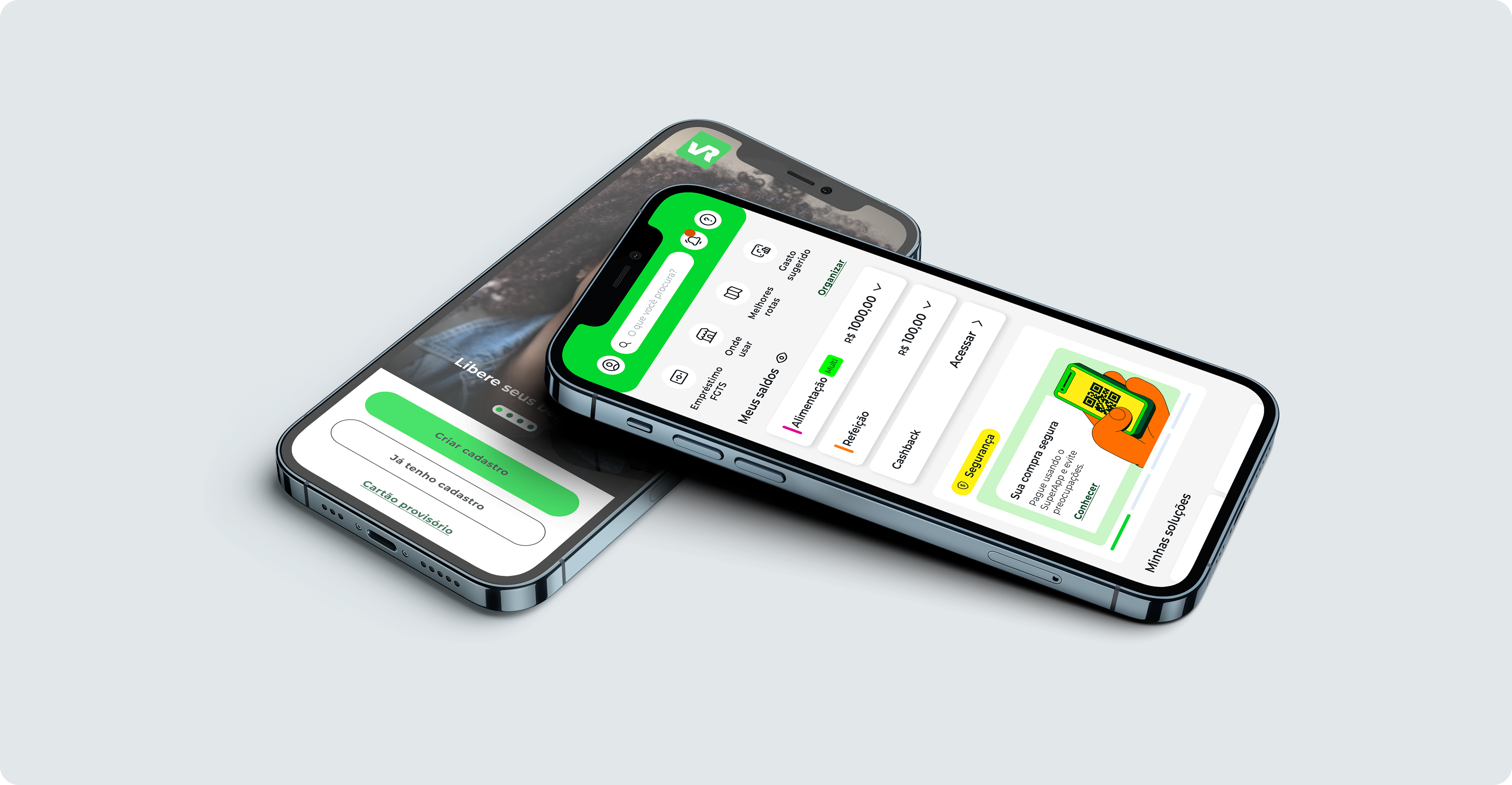
I worked on the design of the new VR SuperApp, taking ownership of key parts of the end-to-end experience, from Login and onboarding to the Home, navigation, and account settings.
The new SuperApp needed to:
• Bring multiple products and services into one ecosystem.
• Provide a seamless transition for millions of existing users from the old App to the new one.
• Create a clear and intuitive experience for new customers.
• Make an increasingly complex product ecosystem easy to navigate.
• Establish a scalable foundation for future products and services.
The Challenge
As VR expanded beyond traditional benefits, the app needed to evolve with it. The challenge was to design a more cohesive and intuitive experience capable of bringing together an increasing number of products and services without overwhelming users.
The broader initiative also involved migrating 3.4 million existing customers to the new SuperApp, with the goal of improving usability, reducing friction and customer support demand, and ultimately increasing customer satisfaction.
My Role
As a Product Designer, I was responsible for designing and evolving key areas of the SuperApp, including:
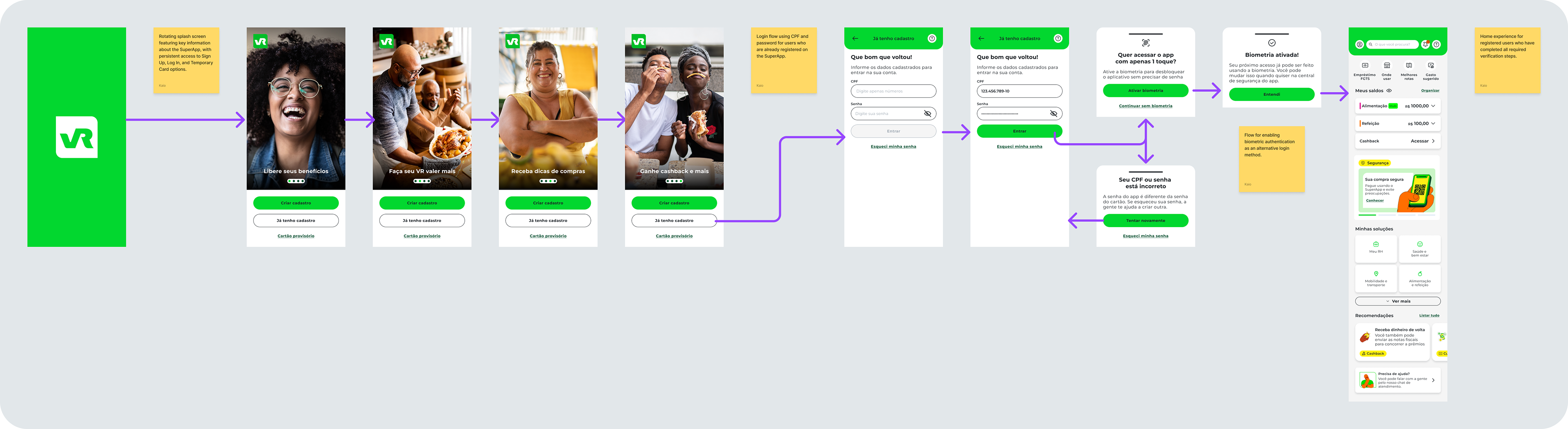
• Login & Access
Creating a simpler and more seamless entry point into the new experience.
Creating a simpler and more seamless entry point into the new experience.
• Home
Redefining the information architecture and content hierarchy to make the ecosystem easier to understand and navigate.
Redefining the information architecture and content hierarchy to make the ecosystem easier to understand and navigate.
• Navigation & Core Experiences
Designing how users move between different services and features across the app.
Designing how users move between different services and features across the app.
• Account & Settings
Structuring personal information, preferences, security, and account-related functionality into a clear and accessible experience.
Structuring personal information, preferences, security, and account-related functionality into a clear and accessible experience.
I worked closely with Product, Engineering, Growth, and other stakeholders throughout the process, balancing user needs, business requirements, and technical constraints.
From Benefits App to SuperApp
One of the biggest challenges was changing the mental model of the product.
Users were accustomed to VR as a benefits app. The new SuperApp introduced a much broader ecosystem, meaning the experience needed to communicate this evolution without creating unnecessary complexity.
I worked on establishing a clear structure and hierarchy that could accommodate different products while still feeling like one unified experience.
Designing for Two Audiences
The new SuperApp had to work for two very different moments in the customer journey:
Existing users needed to transition from the legacy application with as little friction as possible.
New customers needed to understand the value of the broader VR ecosystem from their first interaction.
This required designing an experience that could support migration while also establishing a strong foundation for future customer acquisition and product expansion.
Research & Validation
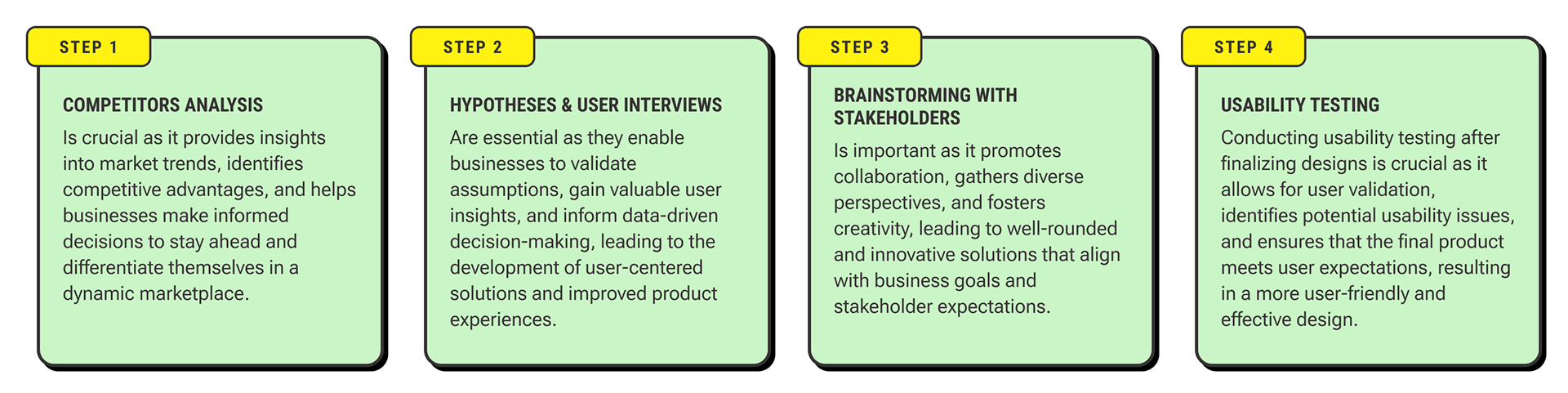
The process combined competitive analysis, user interviews, stakeholder workshops, hypothesis building, prototyping, and usability testing.
Using Figma prototypes I tested key flows and with users to understand behaviour, identify friction points, and validate design decisions before moving into development.
Accessibility was also considered throughout the process, including colour contrast and component-level accessibility checks.

A central hub for the VR ecosystem
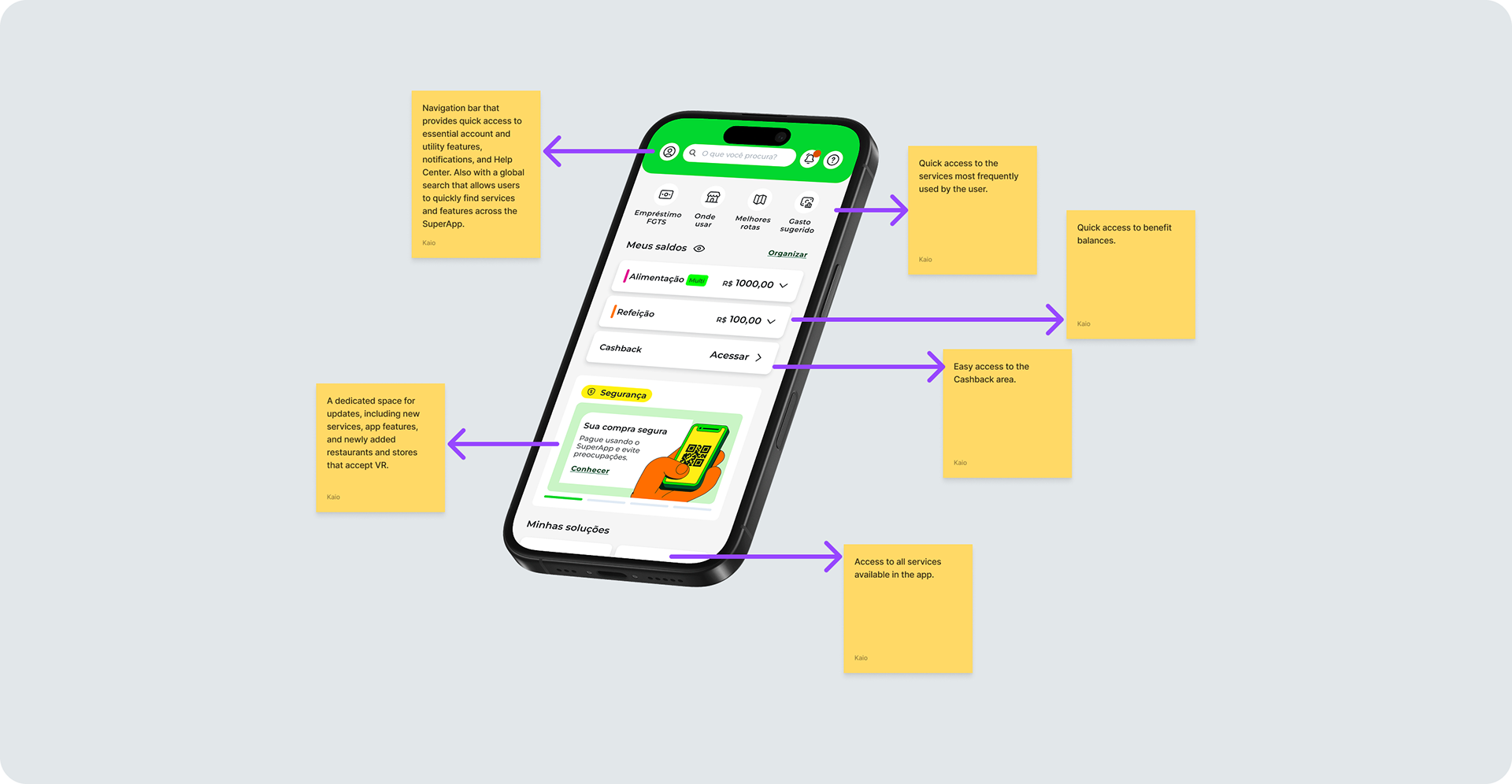
The Home was designed to become the central hub of the SuperApp, connecting the entire VR ecosystem within a single, intuitive entry point. From here, users can easily discover and access all services available to them.
The main challenge was to organize a broad range of products, features, and content without overwhelming the user. Through a clear information architecture, intentional content hierarchy, and a strong visual structure, I prioritized the most relevant actions while keeping secondary services easily discoverable.
The result is a scalable Home experience that makes the breadth of the VR ecosystem feel simple, accessible, and easy to navigate.
From 3.7 to 4.8
The previous VR app had an average user rating of 3.7. With the launch of the new SuperApp, we redesigned the core experience, from onboarding and login to navigation, Home, and key user flows, while migrating existing customers and welcoming new users to the platform.
Today, the SuperApp holds a 4.8 rating, reflecting a significant improvement in the overall user experience and the impact of the new product direction.